
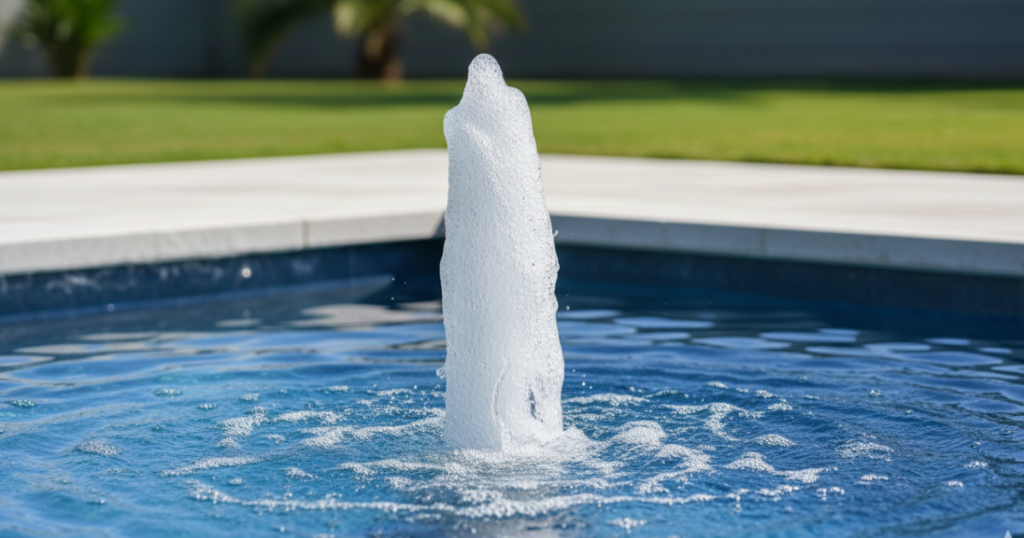
A well-designed pool water feature is meant to enhance beauty, movement, and relaxation but when circulation is poor, it can quickly become a source of frustration rather than enjoyment. Inadequate pool circulation commonly causes cloudy water, algae growth, uneven temperatures, odors, and poorly performing fountains or waterfalls. Understanding poor circulation helps identify issues early, maintain water quality, and ensure pools and features operate safely and efficiently.
[Discover how our smart water feature design improves circulation and water quality →]
In pools with poor circulation, the impact shows up quickly through a range of common and often preventable water feature problems such as:
Stagnant Water
Stagnant water is one of the most noticeable and damaging problems caused by poor circulation in pool water features. When water is not moving consistently through features such as spas, fountains, tanning ledges, or decorative basins, it creates pockets where debris, bacteria, and organic matter can accumulate. These stagnant areas quickly become breeding grounds for algae and mosquitoes, often producing foul odors and unsightly discoloration. Over time, stagnant water can also disrupt chemical balance, making it harder for sanitizers to work effectively and increasing maintenance costs. Without proper circulation, attractive pool features can become serious hygiene and performance problems.
Bad Odors
Poor circulation in pool water features often causes bad odors. When water fails to circulate properly, organic debris such as leaves, body oils, and sunscreen can become trapped in low-flow areas, where they begin to break down. This decomposition, with poor sanitizer distribution, causes musty or sulfur smells near fountains, spillways, and attached spas. Inadequate circulation prevents fresh, treated water from reaching these zones, allowing bacteria and algae to thrive. As a result, unpleasant odors reduce pool enjoyment and indicate underlying water quality issues needing immediate attention.
Algae Buildup
Algae buildup is a frequent and persistent problem in pool water features affected by poor circulation. When water movement is weak, algae spores settle and grow on walls, steps, waterfalls, and other still surfaces.. These areas often receive less sanitizer and filtration, allowing algae to thrive despite regular chemical treatment. Over time, algae growth can cause slippery surfaces, green or black staining, clogged feature lines, and increased strain on filtration systems. Left unaddressed, algae buildup not only detracts from the pool’s appearance but also creates safety hazards and raises maintenance demands.
Low Oxygen Level
Inadequate water movement in pool features leads to low oxygen levels, a hidden but serious problem. When water remains stagnant or moves too slowly, it is unable to absorb sufficient oxygen from the air, especially in enclosed or low-flow areas such as spas, grottos, and decorative basins. Reduced oxygen levels create an environment that encourages anaerobic bacteria, which can contribute to unpleasant odors, murky water, and accelerated organic decay. Inadequate oxygenation also weakens the overall biological balance of the pool, making it harder for sanitizers to work effectively. Proper circulation helps keep water aerated, clean, and chemically stable, preventing these issues from developing.
Why These Problems Happen?
Poor circulation and inadequate aeration closely link to problems such as stagnant water, bad odors, algae buildup, and low oxygen levels.
When water is not continuously moving through the pool and its features, fresh, filtered, and chemically balanced water cannot reach every area. This creates dead zones where contaminants settle, sanitizers become less effective, and oxygen exchange is limited. Without adequate aeration, water loses its ability to naturally refresh itself, allowing bacteria and algae to flourish. Together, poor circulation and aeration disrupt water balance, turning pool features into ongoing maintenance and water quality problems.
[Explore how our bubblers enhance water movement, oxygen levels, and pool design →]
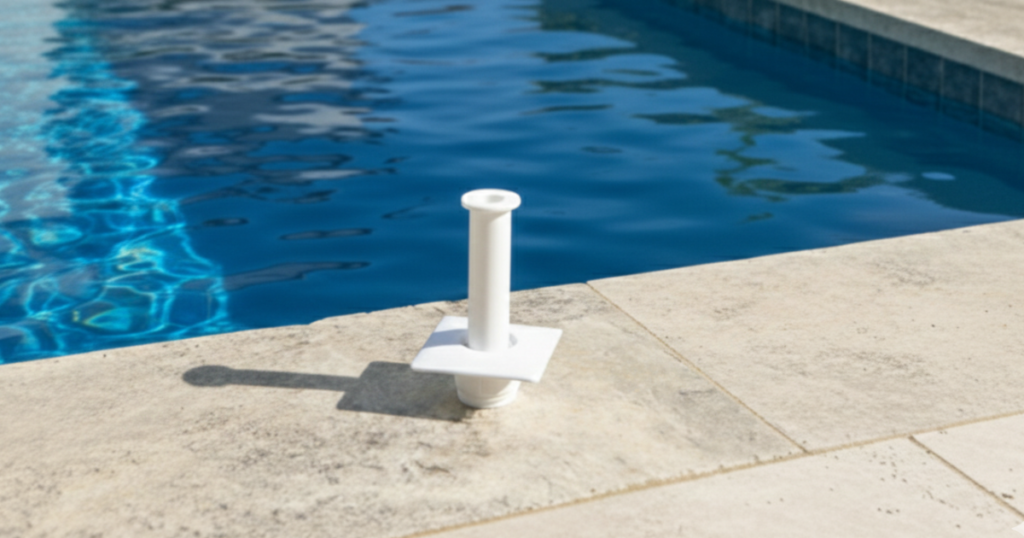
How Our Bubble Can Help
Our bubbler is specifically designed to address the root causes of water feature problems by improving circulation and increasing aeration throughout the pool. By continuously moving water and introducing streams of air, the bubbler helps distribute sanitized, filtered water more evenly, eliminating stagnant zones where algae and bacteria tend to thrive. The added oxygen boosts water freshness, supports healthier water balance, and significantly reduces the conditions that cause unpleasant odors. At the same time, enhanced circulation makes sanitizers more effective, helping to prevent algae buildup before it starts. Beyond performance, the bubbler is thoughtfully designed to enhance the pool’s visual appeal, adding dynamic movement, soothing sound, and an elegant focal point that elevates both water quality and overall pool aesthetics.
[We offer bubblers in various colors that are fully functional and enhance your pool’s aesthetic→]
Build healthier, better-performing pools with confidence. Explore our bubbler solutions or contact us today to find the right fit for your pool design.